Creating a Safe and Secure Home Environment
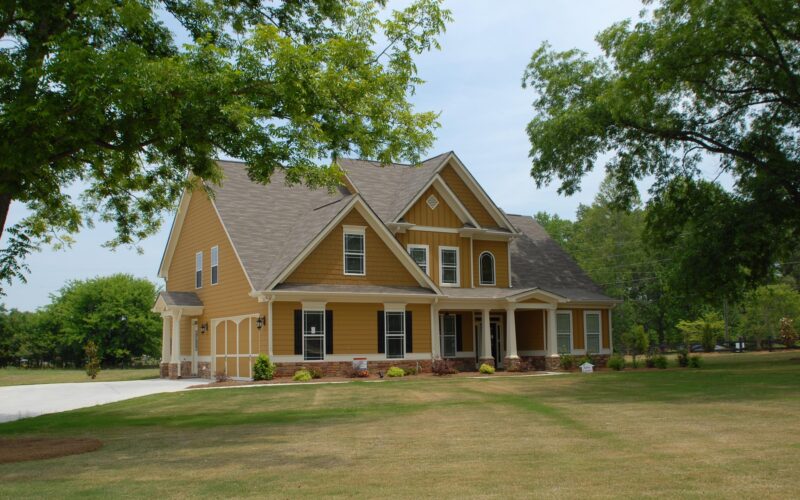
The first line of defence lies on the outside of your property. Assessing the exterior of your home is crucial because it acts as a primary barrier against unwanted access. Walk around your perimeter to identify areas obscured by overgrown shrubs, as these create hiding spots for intruders. Install motion-activated lighting near driveways and the back garden to startle anyone attempting to approach unseen. Trimming hedges near windows removes natural ladders that could be used to reach upper floors. Furthermore, ensure that outbuildings like garages are locked with heavy-duty padlocks, as they often contain tools that a burglar could use to force entry into your main house.
Upgrade your locks and entry points
Relying on outdated locks is a mistake that leaves properties vulnerable to opportunistic thieves. Investing in the best possible hardware for your entry points provides an essential layer of physical resistance. Inspect exterior doors to confirm they are fitted with high-quality deadbolts that extend deep into a reinforced strike plate. If you recently moved into a new property, replacing the locks is a sensible precaution. Ground floor windows should feature key-operated locks and toughened glass to resist being smashed. Do not overlook sliding patio doors, which can often be lifted off their tracks; placing a sturdy dowel in the track will make them harder to bypass.
Embrace smart home technology
Advancements in smart technology have revolutionised how we protect our living spaces. Smart home ecosystems are constantly evolving, offering innovative ways to monitor your property from anywhere in the entire world. Smart doorbells with cameras allow you to view and speak to whoever is on your doorstep directly from your mobile phone. Security cameras can be linked to your network to provide real-time alerts and record footage if motion is detected. Smart lighting systems can be programmed to mimic your routine while you are away, giving the illusion that the house is occupied. Integrating these devices into a hub ensures managing your security remains straightforward and accessible.
Establish a culture of safety at home
Physical hardware is only effective if the people using it remain vigilant and adhere to basic safety habits. Security is ultimately a team effort that relies on everyone being mindful of their daily actions and routines. Educate everyone in your household about the importance of locking doors and shutting windows whenever they leave the house. Avoid discussing upcoming holidays on public social media platforms, as this broadcasts your empty house to a wide audience. Get to know your neighbours so that you can look out for one another and report suspicious activity in the neighbourhood. Creating a robust safety routine ensures your physical upgrades are not undermined.
Frequently asked questions about home security
Homeowners often wonder how much a comprehensive security system costs and whether it is worth the investment. The price varies depending on whether you opt for a basic alarm or a fully monitored network, but small deterrents provide immense value. Another common question is whether owning a dog is enough to stop burglars. While a dog acts as a fantastic deterrent, it should complement rather than replace reliable alarms. People also ask if they should advertise their system with stickers. Displaying warnings is highly recommended, as intruders prefer an easy target. Ultimately, protecting your home is an ongoing commitment that requires the right combination of technology, hardware, and vigilance.