Is a Robotic Vacuum Actually Worth the Investment?
Robotic vacuums have become increasingly popular in recent years, promising to take the chore out of cleaning floors. But with price tags ranging from £200 to over £1,000, are these autonomous cleaners really worth the investment? Or would you be better off sticking with a traditional vacuum and a bit of elbow grease?
The answer depends on your lifestyle, home layout, and cleaning expectations. Robotic vacuums excel at maintaining clean carpets and floors with minimal effort, but they're not without limitations. Understanding what these devices can and can't do will help you decide whether adding one to your home makes financial sense.
The advantages of robotic vacuums
The biggest draw of robotic vacuums is convenience. Set a schedule, and your floors get cleaned automatically—even when you're not home. For busy professionals, parents, or anyone who struggles with mobility issues, this hands-free approach to floor cleaning can be genuinely life-changing.
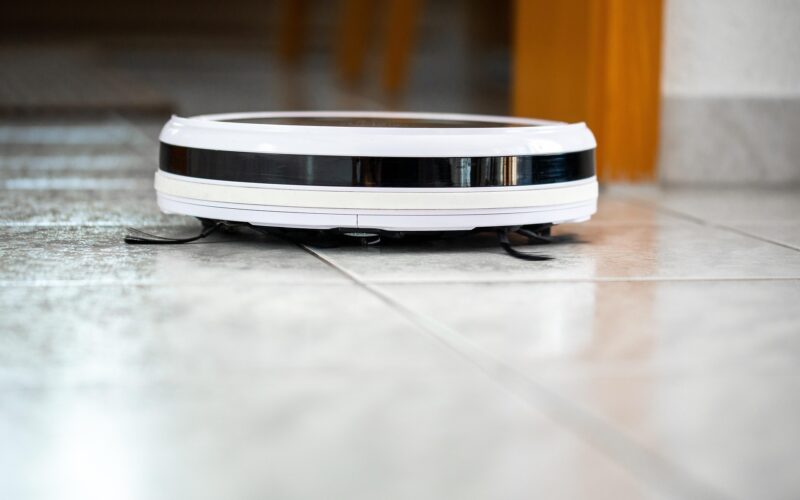
Modern robotic vacuums are surprisingly sophisticated. Many models map your home, navigate around furniture, and return to their charging stations when their batteries run low. Some can even empty their own dustbins or mop as well as vacuum. For homes with pets that shed constantly, a robotic vacuum running daily can significantly reduce the amount of fur accumulating on your carpets and hard floors.
They're also excellent for maintenance cleaning. Running your robot vacuum several times a week keeps dirt and dust from building up, meaning your floors stay cleaner overall. This regular upkeep can extend the life of your carpets and reduce allergens in your home.
Where robotic vacuums fall short
Despite their clever technology, robotic vacuums aren't perfect. They struggle with deep cleaning—if your carpets are heavily soiled or you've spilled something substantial, you'll still need a traditional vacuum for a thorough clean. Their small dustbins also mean frequent emptying, especially in larger homes or households with pets.
Navigation can be hit-and-miss. Whilst premium models handle obstacles well, budget versions often get stuck on cables, bump into furniture, or miss entire sections of your home. They also can't clean stairs, and some struggle with thick rugs or transitioning between different floor types.
Noise is another consideration. Whilst they're generally quieter than traditional vacuums, they run for much longer—sometimes up to an hour or more. If you're home whilst they're cleaning, the constant whirring can become tiresome.
When a robotic vacuum makes sense
A robotic vacuum is worth the investment if you value convenience over deep-cleaning power. They're ideal for maintaining clean floors between more thorough cleaning sessions, particularly in homes with hard flooring or low-pile carpets. If you have pets, limited mobility, or simply want to reclaim the time you'd otherwise spend pushing a vacuum around, the cost can quickly justify itself.
However, if you live in a small flat, have lots of clutter, or your carpets need regular deep cleaning, a traditional vacuum might serve you better. Consider starting with a mid-range robotic model to test whether the technology fits your lifestyle before investing in a premium option.
Ultimately, many households find the best solution is owning both—using a robotic vacuum for daily maintenance and a traditional vacuum for weekly deep cleans. This approach keeps your home consistently clean whilst ensuring you can tackle tougher cleaning challenges when they arise.